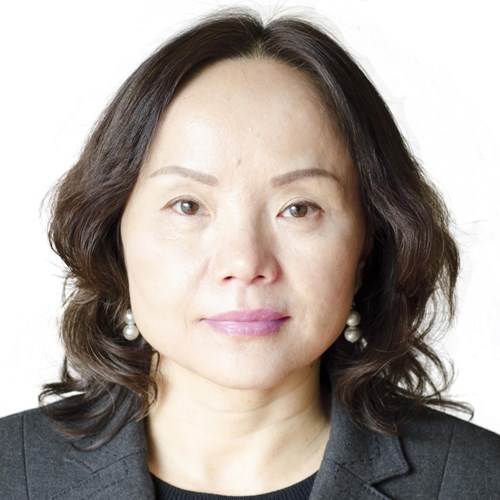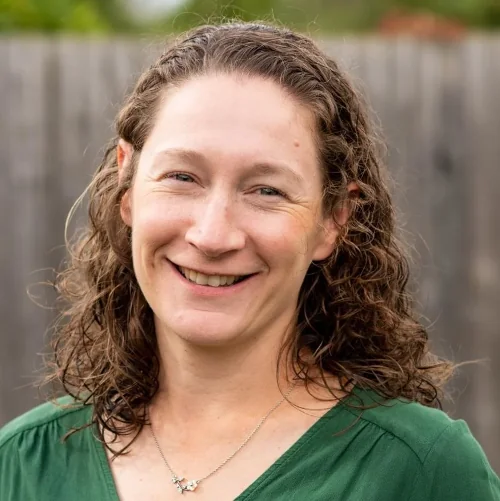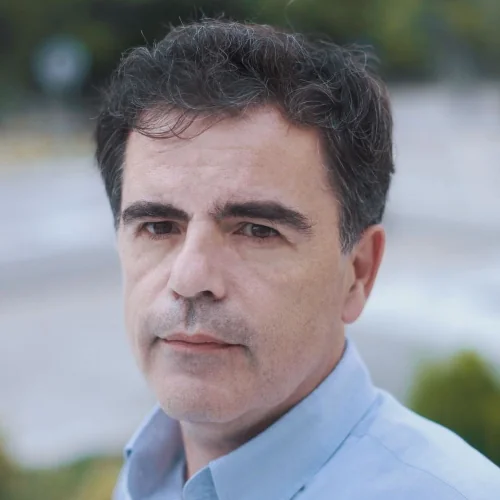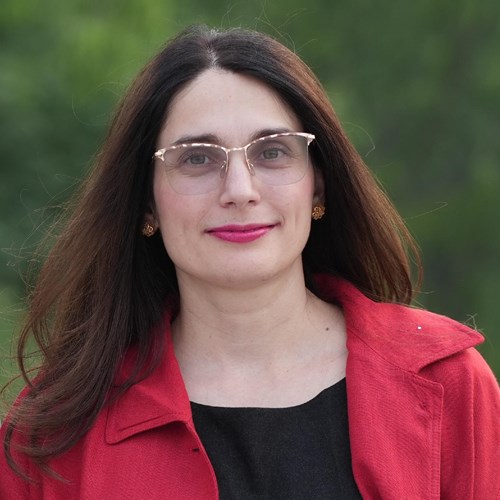

University of Cape Town, South Africa
Université De Sherbrooke, Quebec, Canada
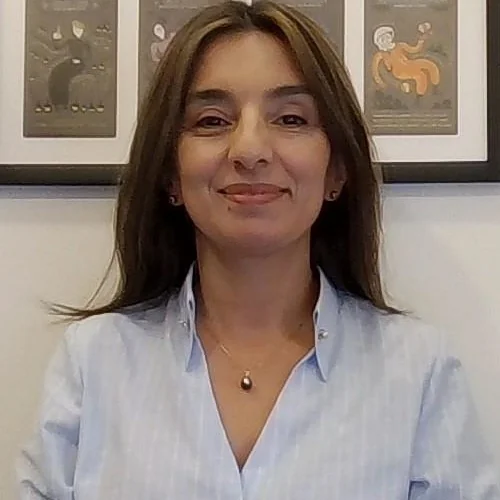
Universidad UTE, Facultad de Ciencias de la Ingeniería e Industrias, Quito, Ecuado
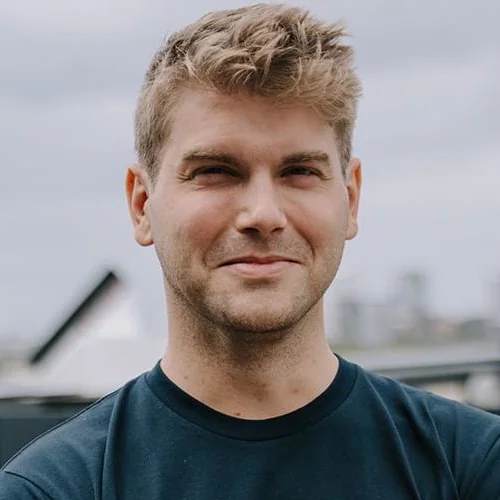
The University of Wollongong, Australia
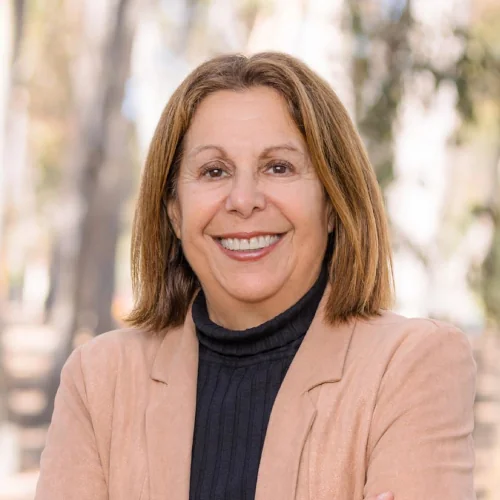
University of California San Diego, United States of America
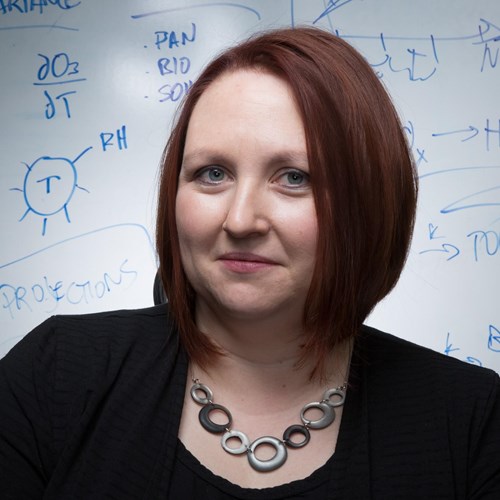
ETH Zürich, Switzerland
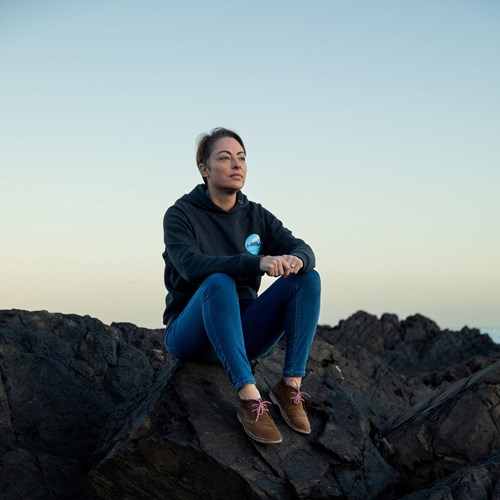
Katye’s research interests include ocean-atmosphere nitrogen cycling, novel uses of nitrogen stable isotopes in atmospheric chemistry, and air quality in South Africa.
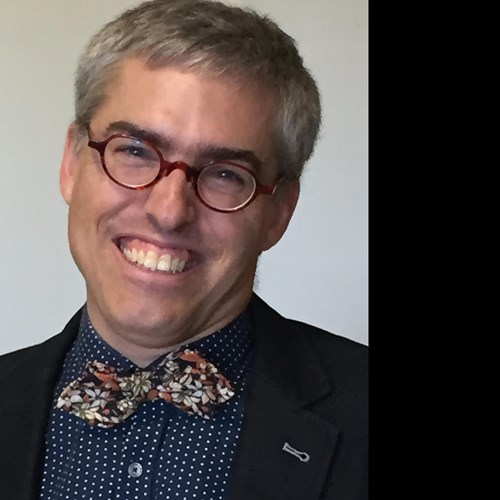
Pat Ayotte first got interested in molecular physics and molecules in strong laser fields during his undergraduate studies at Université Laval, Québec (BSc, Physics, 1993). He began his graduate career studying on slow electrons interactions with molecules in the condensed phase with Prof. Léon Sanche at Université de Sherbrooke (MSc, Radiobiology, 1995). He then moved on to Yale Chemistry to study the spectroscopy of mass-selected cluster anions with Prof. Mark Johnson (PhD, Chemistry, 1999). As a NSERC postdoctoral fellow, he worked with Bruce Kay at the WR Wiley Environmental Molecular Sciences Laboratory of Pacific Northwest National Laboratory. He joined the Faculty at the Département de Chimie de l’Université de Sherbrooke as an assistant professor in 2002 where he studies heterogeneous (photo)chemistry on ice surfaces.
Dr. Cazorla is a Professor at Universidad UTE in Quito, Ecuador, and Research Coordinator of the Facultad de Ciencias de la Ingeniería e Industrias. She is a former NASA Postdoctoral Fellow and Fulbright Scholar. She holds a PhD in Meteorology from Penn State University, specializing in atmospheric measurements and instrument development. In 2025, she was awarded the Penn State University Charles L. Hosler Alumni Scholar Medal. She holds a degree in Chemical Engineering from the Escuela Politécnica Nacional in Quito. Her research focuses on atmospheric chemistry and atmospheric composition, with long-term monitoring programs in Quito and the Galápagos Islands in partnership with NASA SHADOZ and AERONET. She is Chair of the World Meteorological Organization’s Scientific Advisory Group on Reactive Gases and Co-Chair of the Ozone Research Managers of the Parties to the Vienna Convention for the Protection of the Ozone Layer.
Max Desservettaz is a researcher at the University of Wollongong, Australia, where he specializes in biomass burning, focusing on smoke composition, atmospheric chemistry, and the toxicity of bushfire emissions. His research aims to better understand how fire smoke evolves in the atmosphere and impacts exposed communities. Max works to bridge the gap between fundamental fire science and practical smoke risk management. He is currently a member on the international Commission on Atmospheric Chemistry and Global Pollution, after having co-chaired the first IGAC-iCACGP early career researcher steering committee.
Vicki H. Grassian is a Distinguished Professor at the University of California San Diego in the Department of Chemistry and holds the John Dove Isaacs Endowed Chair in Natural Philosophy for Physical Sciences. Her research focuses on the chemistry and impacts of environmental interfaces. This includes the chemistry of atmospheric aerosols and their impact on the chemical composition of the atmosphere, Earth’ climate and human and ecosystem health. Professor Grassian has received several awards and honors for her research including the American Chemical Society National Award for Creative Advances in Environmental Science and Technology and the IUPAC Distinguished Women in Chemistry or Chemical Engineering Award.
Colette L. Heald is the Professor of Atmospheric Chemistry at ETH Zürich. She received her undergraduate degree in Engineering Physics from Queen’s University in Canada in 2000, and her PhD in Earth and Planetary Science from Harvard University in 2005. She held the NOAA Climate and Global Change postdoctoral fellowship at the University of California Berkeley from 2006-2007. She was an Assistant Professor in the Department of Atmospheric Science at Colorado State University from 2008-2011. She held the position of Associate Professor (2012-2015) and Full Professor (2015-2023) in the Department of Civil and Environmental Engineering and the Department of Earth, Atmospheric, and Planetary Sciences at the Massachusetts Institute of Technology (MIT). She joined the faculty in the Department of Environmental Systems Science at ETH in 2024.
Prof. Heald heads the Atmospheric Chemistry group in the Institute for Atmosphere and Climate Science at ETH. The core of her research is using models and global observations to better understand the processes controlling the composition of the atmosphere and how these impact global air quality, climate, and environmental health.
In 2015 Colette Heald was awarded the American Geophysical Union’s James B. Macelwane Medal for early career contributions to the geosciences. She is a Fellow of the American Geophysical Union. At MIT her contributions to teaching, mentoring, and leadership were recognized as a recipient of the Maseeh Excellence in Teaching Award (2016), the Committed to Caring Faculty Award (2020), the Distinguished Service and Leadership Award (2022), and the Capers and Marion McDonald Award for Excellence and Advising (2022).
Dr. Liao’s research aims to understand the processes that control the concentrations, distributions, variations of air pollutants, and the radiative impacts of air pollutants on climate. She addresses these highly coupled processes through joint use of satellite data, in situ data, chemical transport models, and global or regional climate models with online simulation of air pollutants. She is the author of 378 peer-reviewed scientific publications and has H-index 81 from Google Scholar. She was elected as AGU Fellow in 2025.
Eloise leads the UCL Atmospheric Composition and Air Quality Group. The groups combines data from multiple platforms (models, aircraft, satellites, lab and field measurements) to better understand the influence of humans on atmospheric chemistry, air quality, and climate from urban to regional to global scales all the way from the surface of the Earth to outer space.
Spyros Pandis is Professor in the Chemical Engineering Department of the University of Patras and collaborating Faculty in the Institute of Chemical Engineering Sciences of the Foundation for Research and Development Hellas (FORTH). He received his PhD from the California Institute of Technology and joined the faculty of Carnegie Mellon University (Departments of Chemical Engineering and also Engineering and Public Policy) in 1993 and of the University of Patras in 2004. He is one of the co-directors of the Center for the Study of Air Quality and Climate Change of FORTH.
His research includes theoretical and experimental studies of atmospheric chemistry as it relates to urban and regional pollution and topics related to global climate change. He has received awards from the American Association for Aerosol Research, the US National Science Foundation, the American Meteorological Society, the American Institute of Chemical Engineering, the ERC Senior Investigator award, the Vilhelm Bjerkness Medal from the European Geophysical Union, and the Fuchs award from the International Aerosol Research Association.
Prof. Bärbel Sinha specialises in atmospheric chemistry and air quality research. Her work focuses on quantifying sources of ozone precursors and aerosols using advanced source–receptor modelling and in-situ observations. With a strong interdisciplinary approach, Dr. Sinha’s research bridges atmospheric science and public health, contributing valuable insights for sustainable air quality management.
Lecture title: The Impact of Climate Change on Perinatal and Child Mental Health
Brief Biography:
Dr. Jennifer Barkin is a professor, academic administrator, inventor, researcher, and mother of two children. At East Carolina University, she serves as the Associate Dean for Research for the College of Health and Human Sciences where she has the opportunity to work with talented faculty across various disciplines. She is a Research 1-trained psychiatric epidemiologist and completed her post-doctoral studies at the prestigious Western Psychiatric Institute and Clinic (WPIC) of the University of Pittsburgh Medical Center. Anchored by a strong methodological background in biostatistics, epidemiology, survey design/psychometrics, and clinical trials, Dr. Barkin has produced a robust body of published work in reproductive health. She has notable expertise in maternal mental health and postpartum functioning has made critical advances in our understanding of the connections between climate change and (perinatal and child) mental health. Her intellectual property, the Barkin Index of Maternal Functioning, has been implemented all over the world and across sectors including in industry-sponsored clinical trials. Dr. Barkin also developed the Climate Distress Index (CDI), a comprehensive self-report tool designed to measure various forms of human distress caused by exposure to extreme weather; the measure is available in a 16 and 17 item format.
Lecture title: TBA
Brief Biography:
Bernard Dan is a Belgian neurologist, paediatric neurologist and rehabilitation specialist, professor of neuroscience and developmental psychology at the Université libre de Bruxelles (ULB), and editor in chief of Developmental Medicine and Child Neurology, which is the EACD official journal. He chairs the Section of Clinical Medicine and Pathology of the Académie royale de Médecine de Belgique and is a fellow of the Royal College of Physicians (London). He is a longstanding member and past-chair of the EACD. He has authored over 300 journal articles and several reference books on childhood disability and bioethics. Aside from these activities, he acted as scientific curator for several art exhibition, and writes novels (one received an award from the Royal Academy for French Language Literature, Belgium) and other works of fiction.
Lecture title: Digital solutions to scale early intervention
Brief Biography:
Alicia Spittle is a Professor of Physiotherapy at the University of Melbourne and Murdoch Children’s Research Institute, Melbourne Australia. In addition, she works clinically at The Royal Women’s Hospital. Her research focuses on early detection and intervention for infants at risk of neurodevelopmental impairment, especially preterm infants. She leads and collaborates on several national and international trials to support infants and their parents in early childhood. She has authored over 250 peer-reviewed papers and supervises PhD candidates from a range of disciplines across the globe. She was previously the co‑President of the Oceania Academy of Cerebral Palsy and Developmental Medicine and is passionate about translating research into clinical impact and policy change..
Lecture title: What we can learn from animal models of cerebral palsy?
Brief Biography:
Katharina Quinlan is an Associate Professor at the University of Rhode Island. She has studied spinal circuits involved in motor and sensory function in animal models throughout the course of her career. Her current focus is utilizing a rabbit model to study motor and sensory changes in cerebral palsy. Her work incorporates behavior, imaging, electrophysiology, pharmacology, and histology. Her goal is to develop a better understanding of developmental changes that leads to new ways to treat and prevent pain and motor dysfunction after developmental injuries.
Lecture title: TBA
Brief Biography:
Giorgos Papanastasiou is Associate Research Professor at the Academy of Athens (AA), Lead PI at the Archimedes Unit (Athena RC), and affiliated faculty at Biomedical Research Foundation of AA. He works on machine learning for healthcare and science and, recently, causal AI – models that ask “why?” rather than “what correlates?” – to turn data into actionable evidence. Previously an AI scientist at Pfizer and faculty at Edinburgh and Essex Universities, he has attracted over €3M in funding and published 120+ papers in venues such as Nature Communications, npj Digital Medicine, many high impact IEEE and Elsevier journals, MICCAI and NeurIPS. At EACD 2027 he presents causal AI on the Greek Cerebral Palsy Registry, scaling towards European and worldwide cohorts.
Lecture title: Brain involvement in SMA: Current and future research directions
Brief Biography:
Francesco Muntoni is a Professor of Paediatric Neurology and the Director of the Dubowitz Neuromuscular Centre, at the UCL Great Ormond Street Institute of Child Health and Great Ormond Street Hospital for Children, and Director of the Genetic Therapy Accelerator at the UCL Institute of Neurology, London, UK. He has an interest in pathogenesis, deep phenotyping, gene identification for rare neuromuscular conditions and translational research in Duchenne muscular dystrophy, spinal muscular atrophy and congenital dystrophies and myopathies. He is leading natural history studies, preclinical translational research and clinical trials in Duchenne muscular dystrophy and spinal muscular atrophy using RNA and AAV gene therapies. In the last 5 years he obtained the 2022 Ottorino Rossi Award, the World Duchenne Organisation 2022 Leadership Awards, the 2023 European Paediatric Neurology Society Jean Aicardi Award, the 2024 Muscular Dystrophy UK President Award, and the 2025 Novo Nordisk International Award.
Lecture title: TBA
Brief Biography:
2026 Head of Department of Child Neurology, University Hospital of Cologne, Germany
Since 2019 Speaker of the Center for Dystonia in Children (CDBK), University Hospital of Cologne, Germany
Since 2017 Leader of the research group Movement Disorders and Deep Brain Stimulation in Children, University Hospital of Cologne, Germany
Lecture title: The Impact of Climate Change on Perinatal and Child Mental Health
Brief Biography:
Dr. Jennifer Barkin is a professor, academic administrator, inventor, researcher, and mother of two children. At East Carolina University, she serves as the Associate Dean for Research for the College of Health and Human Sciences where she has the opportunity to work with talented faculty across various disciplines. She is a Research 1-trained psychiatric epidemiologist and completed her post-doctoral studies at the prestigious Western Psychiatric Institute and Clinic (WPIC) of the University of Pittsburgh Medical Center. Anchored by a strong methodological background in biostatistics, epidemiology, survey design/psychometrics, and clinical trials, Dr. Barkin has produced a robust body of published work in reproductive health. She has notable expertise in maternal mental health and postpartum functioning has made critical advances in our understanding of the connections between climate change and (perinatal and child) mental health. Her intellectual property, the Barkin Index of Maternal Functioning, has been implemented all over the world and across sectors including in industry-sponsored clinical trials. Dr. Barkin also developed the Climate Distress Index (CDI), a comprehensive self-report tool designed to measure various forms of human distress caused by exposure to extreme weather; the measure is available in a 16 and 17 item format.